
Palliative care provides specialist support for people living with serious or life-limiting illness, with a focus on comfort, symptom management, dignity and quality of life. It can be provided at different stages of an illness and is not limited to the final days or weeks of life. End-of-life care is a more specific part of this wider approach, focused on supporting someone during the final phase of their illness. Understanding the difference matters when families are choosing the right support, and for professional referrers, including hospital discharge teams, community health services and social workers, assessing the most appropriate care setting.
For families in Edinburgh researching palliative care options, and for professionals assessing a patient's next placement, a well-run palliative care pathway recognises changing needs early, coordinates support across services and adapts as a person's condition progresses. In a care home setting, this means providing consistent clinical oversight alongside emotional, social and spiritual support, while keeping the person and their family involved in decisions throughout their care.
The Clinical Pathway Behind Palliative Care
National guidance, specifically NICE guideline NG31, outlines key principles for providing high-quality care to adults in their final two to three days of life, including symptom management and communication with loved ones. While this guideline focuses on the last days, effective palliative care involves earlier, proactive assessment and planning as a person’s condition changes.
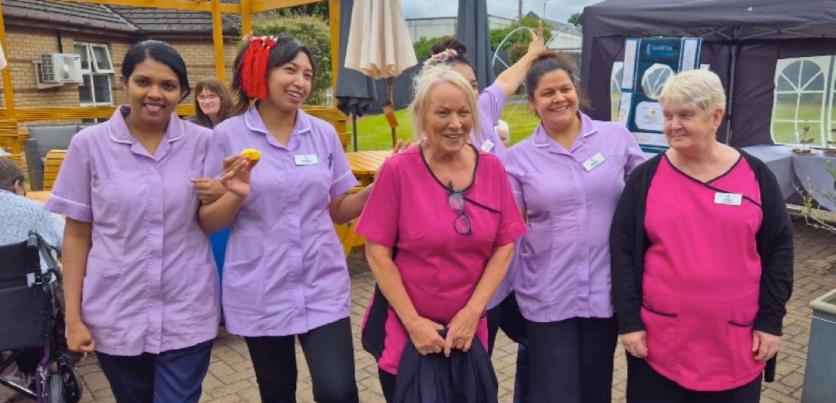
At Gilmerton Care Home, this approach is reflected in a team of nurses and carers who work alongside a multidisciplinary team to ensure residents receiving palliative care have their physical, emotional and spiritual needs addressed as part of one coordinated plan. Residents also retain access to GPs, dentists, chiropodists and opticians throughout their stay, supporting the ongoing clinical oversight and continuity that a comprehensive palliative care pathway requires.
Comfort-Focused Clinical Support at Gilmerton
A palliative care plan built around comfort and quality of life still relies on practical clinical infrastructure. At Gilmerton, this includes profiling beds to support positioning and pressure care, nurse call systems so residents can reach staff quickly at any hour, and bespoke digital care plans that are updated as a resident's needs change. This gives the wider care team accurate, current information rather than relying on a static document created at admission. Wheelchair access throughout the home also supports residents whose mobility changes as their illness progresses.
Together, these practical measures form the foundation of a care plan focused on comfort, dignity and responsive support. They sit alongside the emotional and relational aspects of palliative care that families often notice first, helping residents remain comfortable and supported within a familiar care-home environment.
Managing Pain and Physical Comfort
One of the most important aspects of palliative care is consistent, well-monitored management of pain and other symptoms. Pain, breathlessness, nausea, anxiety, delirium and agitation can all affect comfort and quality of life as a serious illness progresses. NICE guideline NG31 provides recommendations for managing these symptoms during the final days of life, with treatment adapted to the individual rather than delivered through a standard protocol.
At Gilmerton, round-the-clock support from the nursing and care team, combined with nurse call systems and access to a GP, allows changes in a resident's comfort to be identified and responded to promptly. The aim is to ensure that symptom management remains part of an individual's wider palliative care plan, with care adapted as needs change rather than waiting for a scheduled review.

Family Involvement and Emotional Support
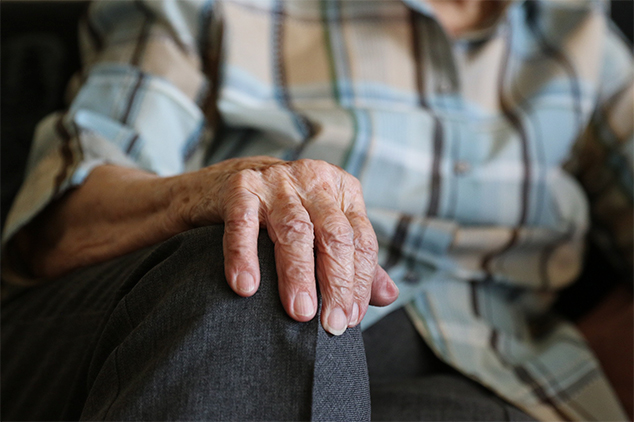
Palliative care rarely affects only the person receiving it. Families may need reassurance, practical guidance and emotional support as they adjust to changes in a loved one's health. At Gilmerton, families are encouraged to remain involved throughout the care journey, helping them understand the care being provided and feel confident that their loved one's wishes and needs continue to guide decision-making.
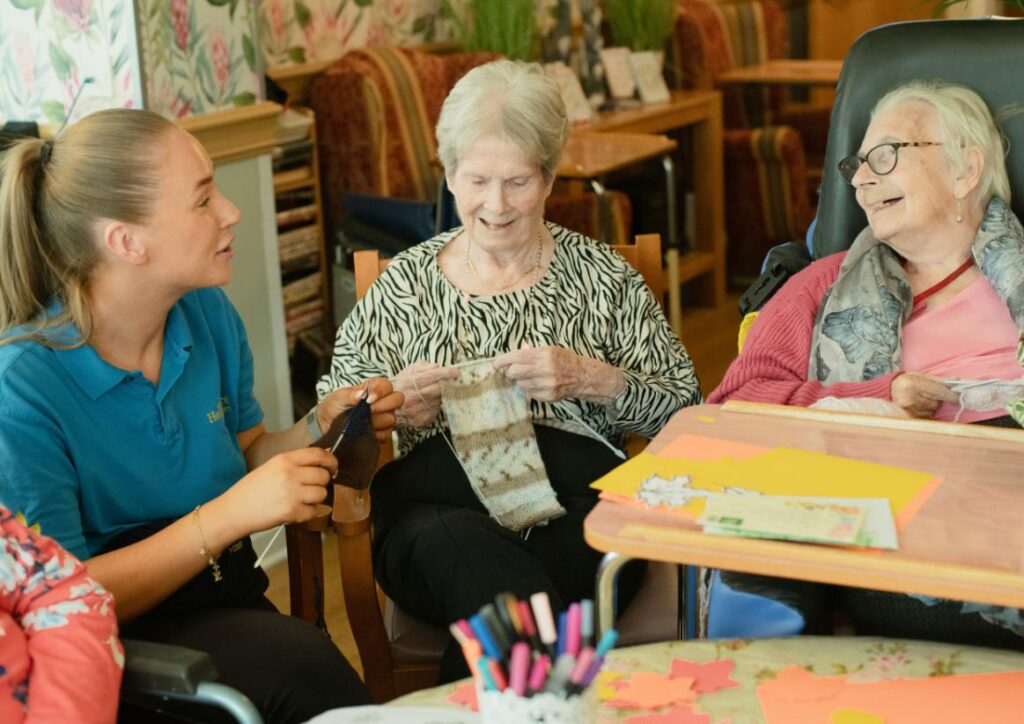
Visiting is unrestricted, allowing families to spend time together without being limited by fixed visiting hours. The wider team works closely with healthcare professionals and family members to provide holistic care that reflects a resident's physical, emotional and spiritual needs. This continued involvement, rather than a formal handover once palliative care begins, can be particularly important as an illness progresses towards the end of life.
Choosing Between Home, Hospice and Care Home Palliative Support
Palliative care can be provided in different settings, and understanding the available options is often one of the first steps for families in Edinburgh. Depending on an individual's needs, care may be provided at home with support from community nursing services and family members, in a hospice for specialist symptom management and palliative support, or in a care home offering round-the-clock nursing and care.
A care home can be an appropriate option when a person's care, mobility or nursing needs have become difficult to manage safely at home, while comfort, familiarity and continuity of relationships remain important. A care home providing palliative care can offer 24-hour support from trained staff in a stable environment, allowing residents to remain in familiar surroundings rather than experiencing unnecessary moves between settings as their condition progresses.
Hospice care can also provide specialist palliative support, particularly when someone requires services or symptom management that are best provided within a hospice environment. The right setting depends on the person's clinical needs, preferences and circumstances, and decisions should be made with the appropriate healthcare professionals and the individual wherever possible.

Frequently Asked Questions
What is the difference between palliative care and end of life care?
Palliative care is a broader approach to supporting people living with serious or life-limiting illness. It focuses on comfort, symptom management and quality of life and can be provided at different stages of an illness. End of life care is a more specific part of this approach, focused on supporting someone during the final phase of their illness and helping maintain comfort, dignity and choice.
Can palliative care be provided in a care home rather than a hospital?
Yes. Palliative care can be provided in a hospital or in a care home, depending on the person's needs and circumstances. A care home offering palliative care can provide round-the-clock support from trained staff in a familiar environment, alongside coordination with GPs and other healthcare professionals.
When might someone need palliative care?
Palliative care may be appropriate when someone is living with a serious or life-limiting illness and would benefit from support with symptoms, comfort, emotional wellbeing or quality of life. It is not limited to the final days of life. The appropriate timing and level of support should be considered with the person and their healthcare professionals.
How do you know when someone is approaching the end of life?
Recognising that someone is entering the final stage of life can involve changes in their physical condition, symptoms, communication and overall health. NICE guidance provides recommendations for recognising and managing the final days of life, while the wider care team can help families understand what changes may mean for an individual.
What support is available for families during palliative care?
Families can be offered guidance, reassurance and emotional support throughout the palliative care journey, alongside regular communication with the care team as the person's needs change. At Gilmerton, unrestricted visiting allows families to remain closely involved and spend time with their loved one throughout their stay.
Palliative Care at Gilmerton Care Home
Palliative care and end of life care are closely connected, but they are not interchangeable terms. Palliative care can support people living with serious or life-limiting illness throughout the progression of their condition, while end of life care refers more specifically to the final phase when a person is approaching death. What distinguishes a strong palliative care pathway is the ability to recognise changing needs, provide consistent symptom management, maintain dignity and comfort, and keep families genuinely involved throughout the journey.
For families and referrers in Edinburgh considering palliative care options, these are the details worth examining closely: the level of nursing support available, how care plans are reviewed, how the team communicates with healthcare professionals and families, and whether the environment can provide comfort and continuity as needs change.
At Gilmerton Care Home, palliative care is delivered as part of a holistic approach that considers physical, emotional and spiritual wellbeing, with support adapted to each resident's individual needs.
To talk through palliative care or end-of-life care options at Gilmerton Care Home, get in touch with the team.
Palliative care is not simply about the final days of life. It is a coordinated approach to comfort, dignity and quality of life for people living with serious or life-limiting illness, with end of life care forming an important part of that wider journey. For families and referrers in Edinburgh, the quality of the care pathway depends on consistent clinical support, effective communication, individualised care planning and genuine family involvement.
If you would like to discuss palliative care options at Gilmerton Care Home, get in touch with the team.