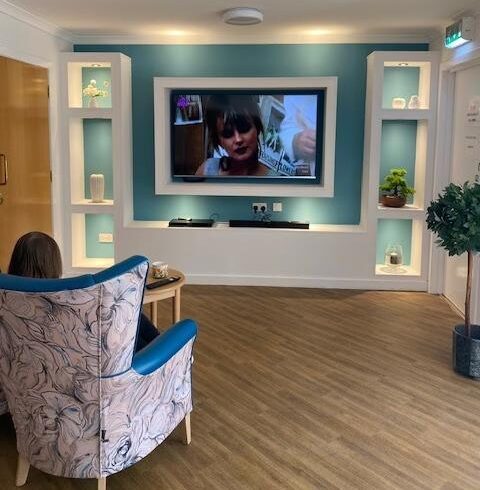
What Is A Sensory Room In A Care Home

A sensory room in a care home is a dedicated, purpose-built space where residents can immerse their senses through gentle light, sounds, textures, and sights. At Gilmerton Care Home, it offers a peaceful escape from the busyness of communal lounges, providing a place where residents can feel a true sense of calm and ease.
The room promotes calmness for both mind and body, helps reduce anxiety, and supports cognitive engagement. It expands care options, encourages new ways to connect with residents, and serves as a de-escalation space for those feeling overstimulated or seeking a change of pace. Sensory rooms are highly adaptable, incorporating personal items like photos or music from a specific era to evoke memories and familiarity.
Who Benefits From A Sensory Room?
Everyone can benefit from a sensory room, though the reasons vary widely. People with dementia gain particular support, as smells like essential oils can aid memory recall, improve mood, and ease restlessness, perhaps through a treasured blanket carrying a familiar scent that brings relaxation.
Residents with impairments, such as visual or hearing loss, also thrive, as the room helps them engage other senses and feel included. Contrasts in colour, vibrations, and varied textures allow exploration and connection. End-of-life residents find comfort too, with relaxing music and lights creating a dignified setting for quiet moments alongside staff or family.


Sensory Rooms & Person Centred Care
Sensory rooms provide a unique and invaluable opportunity to personalise care plans, making them genuinely tailored to each individual's needs, preferences, and life story, rather than following a one-size-fits-all approach. By focusing on the senses, these rooms enable staff to engage residents in ways that reflect their personal histories, interests, and cultural backgrounds, ensuring that each sensory session is meaningful and relevant. This helps residents to be recognised as whole individuals, not just by their diagnosis, limitations, or care needs.
The flexibility of sensory rooms means sessions can be scheduled as frequently as required, fitting smoothly into each resident’s daily routine and lifestyle. This regular engagement offers structure to the day and can create comforting rituals that residents look forward to. It also allows care teams to experiment with different stimuli or activities to discover what resonates best with each person, adjusting plans based on observed responses and feedback. Such an adaptive and responsive approach not only enhances the resident's quality of life but can also reduce feelings of isolation, anxiety, or frustration by offering a sense of control and familiarity.
The integration of sensory room sessions into care plans encourages a holistic view of wellbeing, encompassing emotional, mental, and physical health. This targeted sensory engagement supports cognitive stimulation, emotional expression, and relaxation simultaneously, amplifying the impact of other therapies and interventions. Families can also be involved in designing and participating in these sessions, strengthening bonds and reinforcing the personalised nature of care. Overall, sensory rooms help create a nurturing environment that respects and celebrates each resident’s unique identity and evolving needs.
How Sensory Rooms Support Residents Living With Dementia
Residents with dementia often face restlessness, agitation, or anger. A well-designed sensory room helps manage these behaviours through soothing, de-escalating experiences. Someone who rarely speaks in lounges or dining areas may interact more here, feeling safe amid the sensory elements. Family visits gain connection too, even when words are limited.



Encouraging Communication & Reminiscence
Sensory rooms spark expression for residents at any care level, giving staff and families a foundation to start conversations via senses. A garden scent might recall childhood memories, or favourite sweets could prompt stories. Project photos with background music for calm reminiscence, ideal for non-verbal residents or families unsure what to say, fostering alternative communication.
Sensory Stimulation: Why It Works
Sensory stimulation works because the brain constantly responds to information from the senses, shaping how people feel, think, and behave. When light, sound, touch, and scent are used gently, they support relaxation, improve alertness, and reduce anxiety or distress in older adults, including those with dementia. Research shows calming sensory environments can lessen agitation, aid sleep, and boost wellbeing within person-centred care.
Soft, warm lighting and slow, familiar music can offer safety and calm. Brighter light with gentle, upbeat sounds boosts daytime engagement. Touch via soft fabrics, massages, or familiar objects reassures when words fail, strengthening bonds.
Light, Sound, Touch and Scent In Practice
In a well‑designed sensory room, light is carefully controlled to avoid glare or harshness. Adjustable, indirect lighting helps staff create the right atmosphere for each resident, whether that is a soft, warm glow for winding down or slightly brighter light for gentle daytime stimulation. Warm tones, fibre‑optic lights, or projected images on the wall or ceiling can create a calming visual focus that feels safe rather than overwhelming.
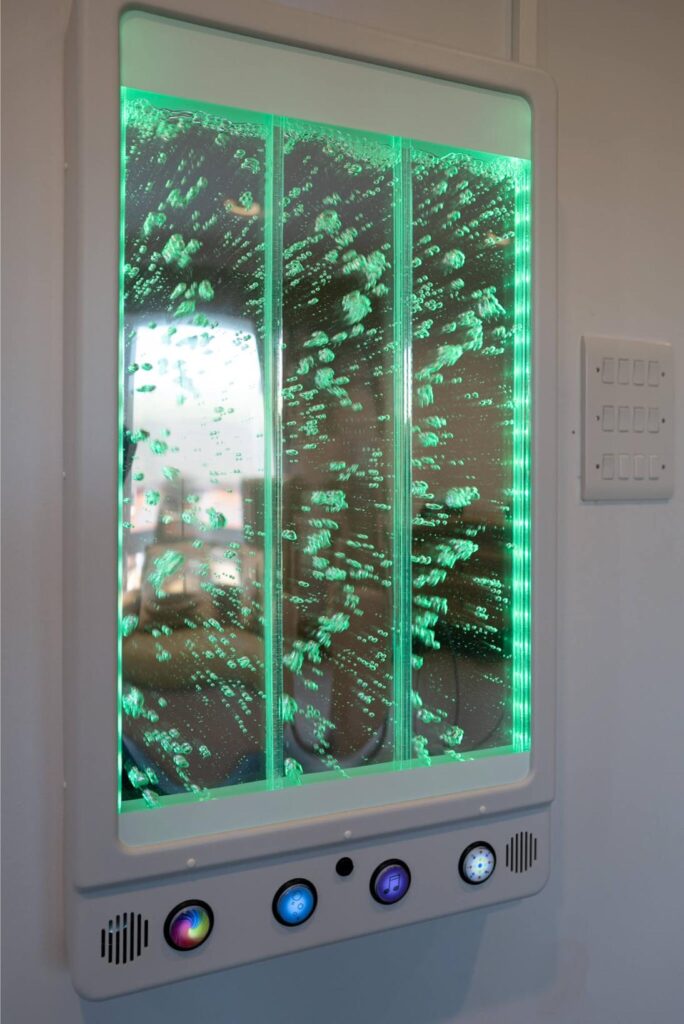

Sound is chosen just as thoughtfully. Soft instrumental music, familiar songs from the resident’s younger years, or nature sounds such as birdsong or waves can all be used at a comfortable volume. Staff can select playlists that match each person’s tastes, whether that is classical, hymns, or favourite tunes from particular decades. This helps residents feel recognised as individuals and can encourage humming, singing, or gentle conversation.
Touch is supported through a range of tactile items that invite exploration. Soft blankets, textured cushions, sensory boards, and objects linked to former hobbies, such as pieces of fabric, smooth wooden items, or safe versions of tools, give residents something meaningful to hold and handle. These items can soothe restlessness, offer comfort during moments of anxiety, and provide a focus for conversation about past interests and roles.
Scent is used carefully and safely to add another layer of comfort and familiarity. Gentle, well‑tolerated scents such as lavender, citrus, or “home‑style” smells like baking can evoke positive memories and support relaxation. Staff always consider allergies, sensitivities, and personal preferences, ensuring that no scent is overpowering or used in a way that might cause discomfort. Residents’ reactions are closely watched so that scents can be adjusted or removed if needed.


Ready To Experience The Calming Comfort of Gilmerton?
To see how Gilmerton Care brings sensory care to life, we invite you to visit our dedicated sensory room and meet the team who use it every day to support residents’ comfort and wellbeing. Contact Gilmerton Care today to arrange a tour, ask questions, or discuss how our person‑centred approach can support you and your loved one.