Residential vs Nursing Homes: What’s The Difference?
The care industry can be full of jargon and terms you may be unfamiliar with, which can leave you wondering; what type of care is best for me? To make the best decision for yourself or your loved one, it’s essential to understand what’s included in the most common types of care. In this blog post, we’re delving into what residential and nursing homes offer, the advantages of both and the differences between them.
What is a Residential Care Home?
A residential care home is a supportive and reassuring environment designed for people who need a little extra help with everyday living. This can include assistance with tasks such as washing, dressing, moving around safely, personal care, and using the bathroom. Residential care is most often suited to older people who may be experiencing challenges associated with ageing, such as reduced mobility or occasional forgetfulness.
In addition to personal support, residents no longer need to worry about daily chores like cleaning, laundry, or cooking, as these are taken care of by a dedicated team of cleaners and chefs who work hard to create comfortable surroundings and prepare meals tailored to residents’ tastes.
The aim of residential care is to help each person maintain their familiar routines so they feel relaxed, at home and confident in their surroundings. Good residential care homes focus on preserving residents’ independence and individuality by offering personalised support, providing help where it’s needed while encouraging people to continue doing as much as they can for themselves. With compassionate, trained carers available 24 hours a day, residents and their families can enjoy the reassurance of a safe, caring environment.
This type of support is known as residential care, and homes that are described as “residential homes” typically exclusively provide this form of assistance rather than nursing care, meaning they usually do not have a registered nurse on site at all times.
What is a Nursing Home?
Nursing care provides all the support you would find in residential care while also offering additional clinical expertise for people whose needs are more complex. It is designed to help residents live as normally and comfortably as possible while receiving specialist care from qualified professionals.
In a dedicated nursing home, residents typically have medical needs that require regular monitoring, which may include people living with long-term health conditions, disabilities, neurological disorders, or those recovering from an illness or injury. For some people, nursing care may only be needed for a short period of time during recovery, in which case nursing respite care may be suitable. Others may benefit from a dual-registered care home that offers a continuum of care, allowing residents to move smoothly between residential and nursing support as their needs change.
Registered nurses play an important role in supporting residents’ health, helping with tasks such as administering medication, providing wound care and changing dressings, monitoring symptoms, and carrying out treatments. Working alongside a compassionate team of trained care assistants, nurses are on site 24 hours a day to provide reassurance, expertise, and prompt support whenever it is needed. Because nursing care includes this additional level of medical support, the weekly cost is generally higher than residential care.
Palliative and End-Of-Life Care
Palliative care is a specialist type of nursing care that specifically supports people in the later stages of life, whether due to natural aging or a terminal illness. This focuses on symptom management and emotional wellbeing rather than curative treatments, but sometimes is counted under the umbrella of nursing care, depending on the care home.
The Difference Between a Care Home and a Nursing Home
As we have discussed, the main difference between residential and nursing care lies in the level of medical support provided. Residential care focuses on helping people with everyday activities such as personal care and daily living, with trained carers available around the clock. Nursing care includes all of this support but also provides specialist medical care from registered nurses, who are on site 24-hours a day to monitor health conditions, administer treatments and support residents with more complex medical needs. Because of this additional clinical support, nursing care is typically more suitable for people with ongoing health conditions and usually costs more than residential care.
Similarities
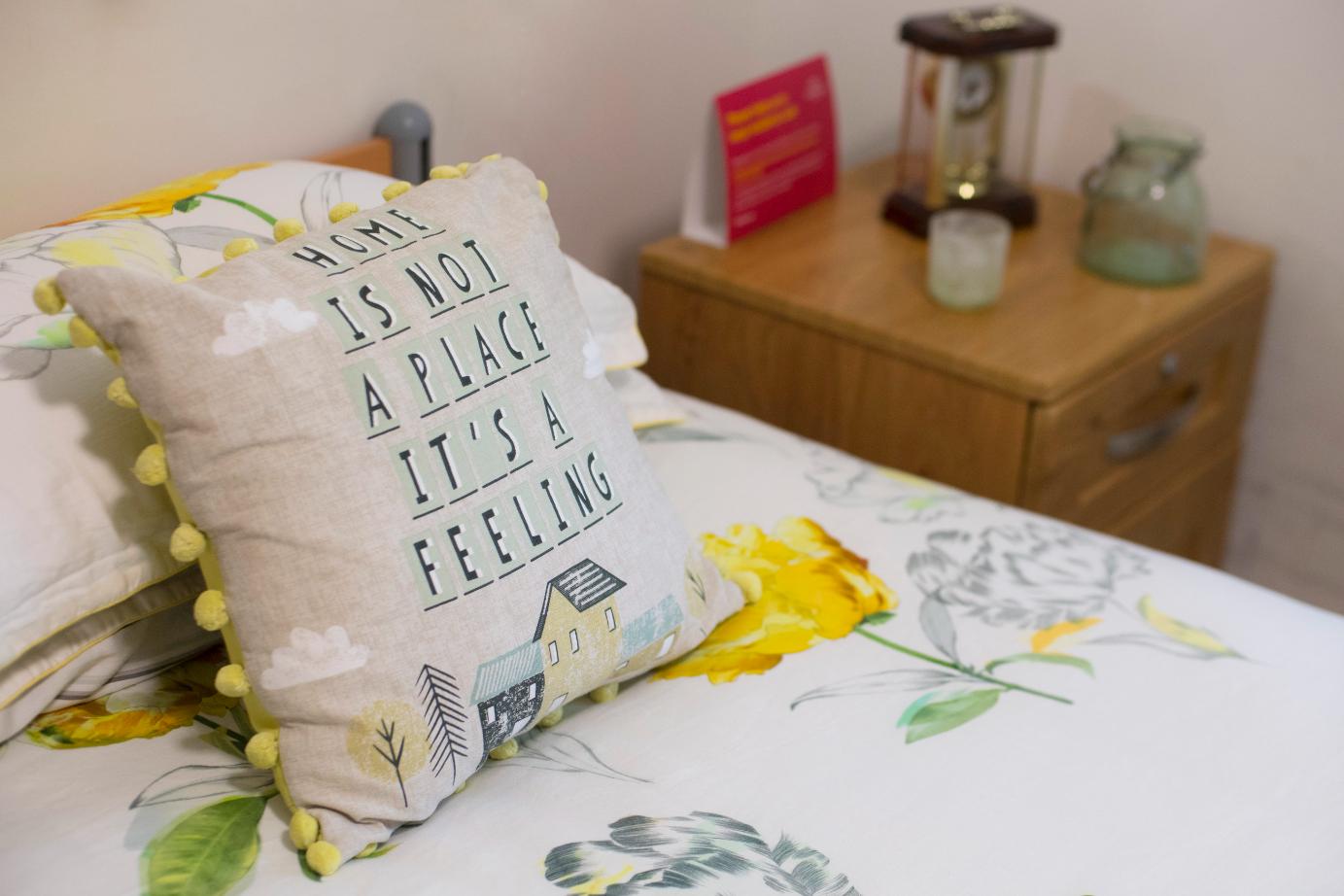
Both residential and nursing care share many similarities, as they are both designed to help people live comfortably, safely and with dignity. Alongside support with everyday tasks such as personal care and mobility, residents in both settings typically enjoy their own private bedroom, sometimes with en-suite facilities and thoughtful amenities that make daily life easier and more enjoyable. For example, at Gilmerton Care Home, rooms include en-suites, profiling beds, TV, WiFi access and a personal telephone so residents can continue living the life they enjoy. Many homes also have call systems that allow residents to request assistance at any time of the day or night, offering peace of mind to both residents and their families.
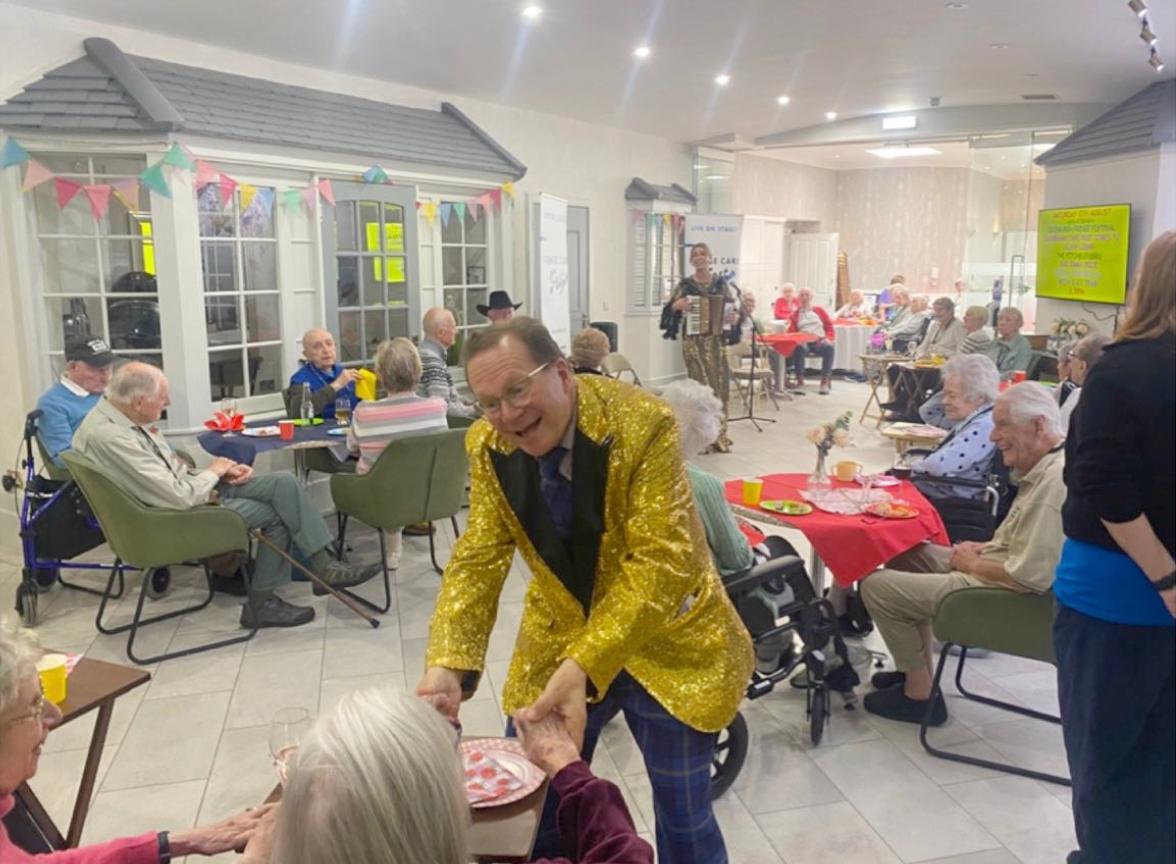
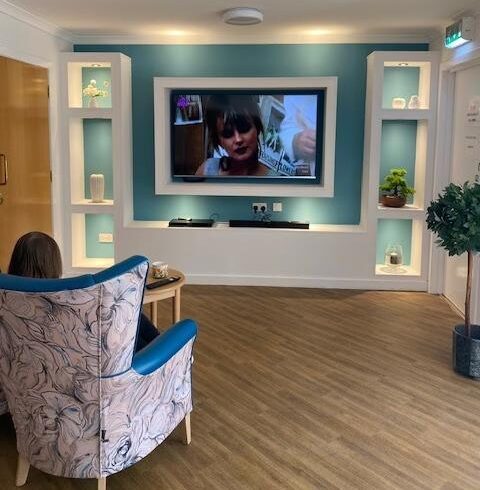
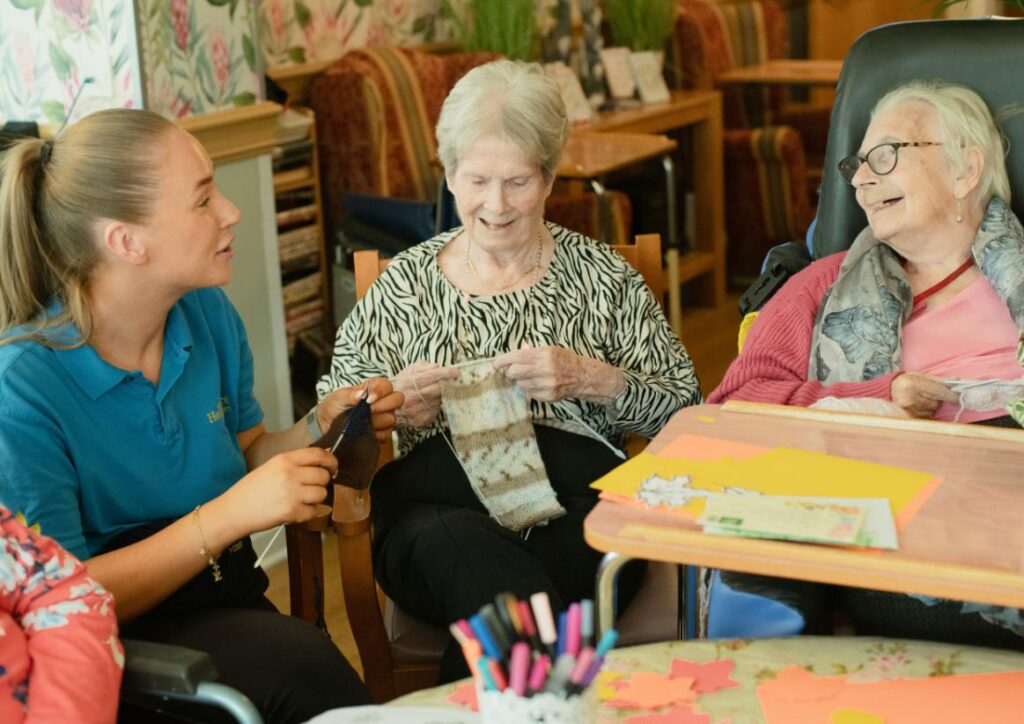
Both types of care also focus on supporting people holistically, providing not only practical help but also emotional support and mental stimulation. Life in a care home can bring valuable social opportunities, with welcoming communal spaces for conversation, activities and companionship, helping to reduce feelings of isolation that can sometimes come with older age. Most homes also offer a varied activities programme so residents can continue their hobbies or discover new interests, keeping both mind and body active.
Above all, both residential and nursing care provide personalised care plans that help residents stay independent and confident, with every aspect of support centred around their wellbeing and encouraging them to make their own choices about how they live each day.
Dementia Care
Just because a person is living with dementia does not necessarily mean they need nursing care. Many care homes offer a specialised type of care for residents living with dementia that requires specialist training for staff, as symptoms can vary greatly depending on the stage of dementia and the person. This can range from a small amount of residential support for those in the early stages to 24-hour nursing care. If you or your loved one is in the early stages of dementia, look for a home that offers specialised dementia care; they will be able to speak to you about the type of care that will best suit you.
Dual-registered Care Homes
Some care homes do not describe themselves specifically as “residential” or “nursing” because they offer both types of care within the same setting. These are often known as dual-registered care homes. If you’re unsure which type of support is most suitable, a care needs assessment through your local council or a conversation with the home itself can help determine the right level of care for you or your loved one.
One of the biggest advantages of a dual-registered home is the continuum of care it provides. As a person’s needs change over time, their support can be adjusted and personalised without the need to move to a different home, helping to minimise stress and disruption to everyday life. Mixed community living within these homes can also be very beneficial, as residents with different levels of support needs live alongside one another, creating a more natural, inclusive environment. This can encourage friendships, shared activities and a strong sense of community, helping residents continue to feel connected, valued, and at home.
Residential and Nursing Care in Edinburgh
Gilmerton Care Home in Edinburgh is a luxury home offering exceptional residential and nursing care, as well as specialist support for those living with dementia or nearing the end of their life. Get in touch to speak to us about how we can support your family, our friendly team can't wait to hear from you.